
The Editor’s Pick
Where patina, place, and atmosphere meet

This week’s Editor’s Pick centres around what I tend to call humble luxury.
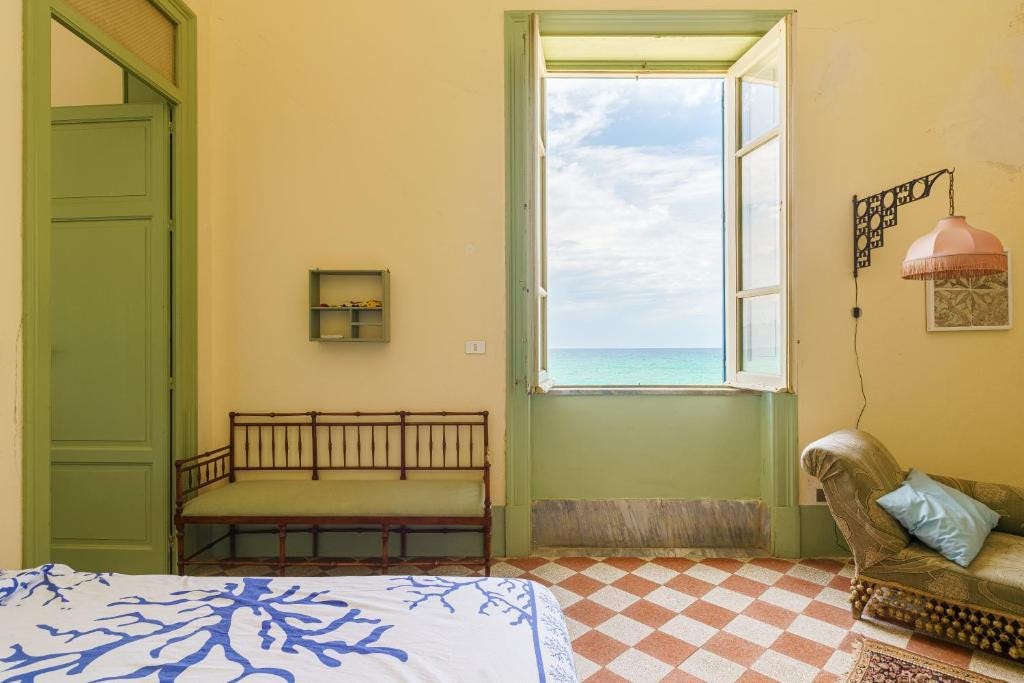
It’s a kind of quiet, tactile beauty. The kind that comes with a layer of patina — not added, but earned over time. I’m always drawn to the details: vintage tiled floors, slightly uneven with unexpected patterns; faded paint colours that soften the light; weathered shutters that have been opened and closed a thousand times before you arrived. Nothing feels new, and that’s precisely the point.
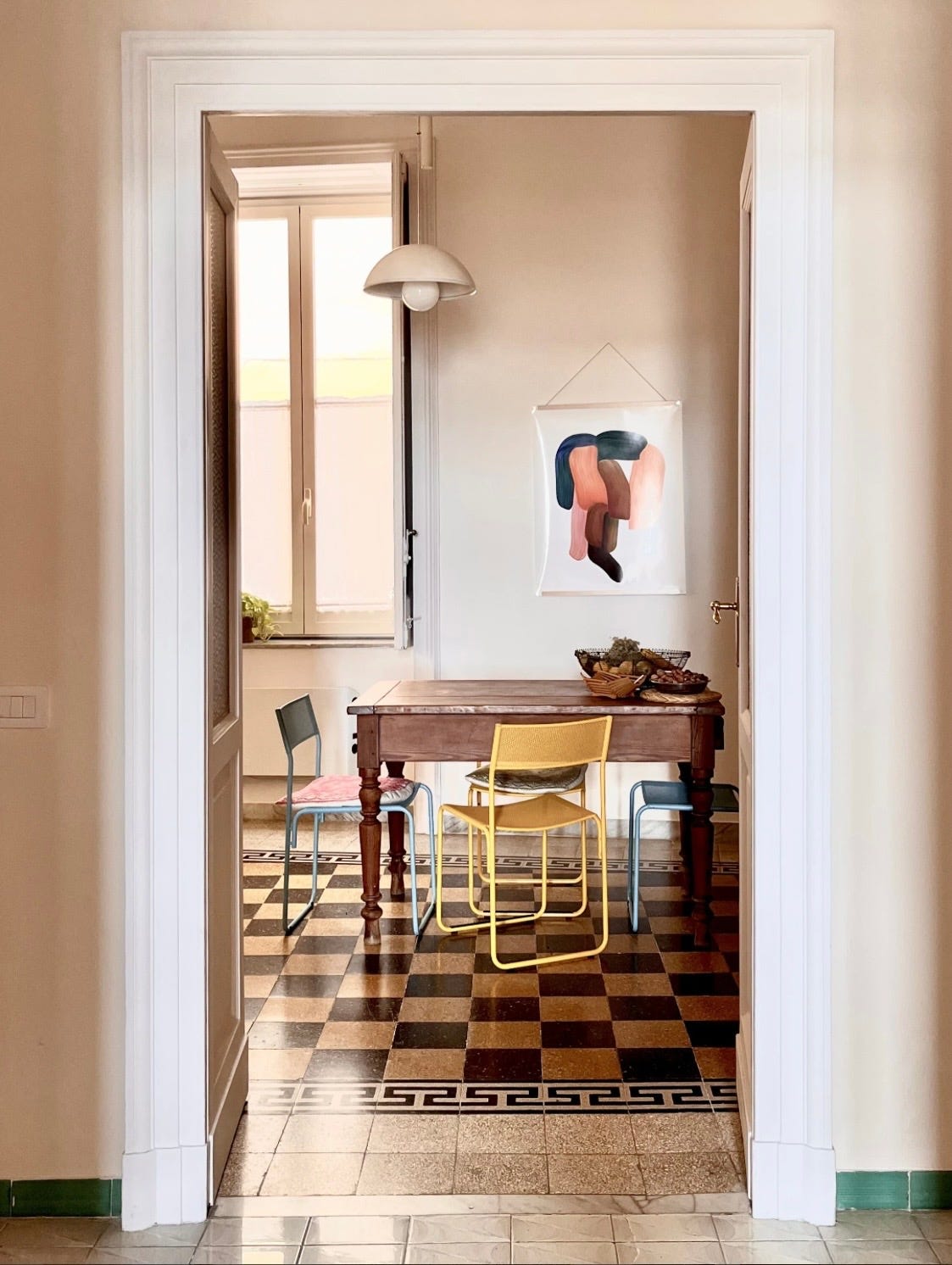
There’s an ease to these places. The charm sits in what’s already there — in the textures, the imperfections, the traces of time. It’s this sense of something gently worn yet deeply intact that makes them feel so grounded in their surroundings.
There’s also a particular feeling they give you — of slipping quite naturally into local life. Not as a guest passing through, but as someone briefly inhabiting the rhythm of a place, even if only for a few days.
All of the places I’m sharing this week come from our Little Gems collection.
We started this collection last year, almost instinctively, after repeatedly coming across smaller, independent addresses during our travels in Italy, places that stayed with us precisely because they felt so uncontrived.
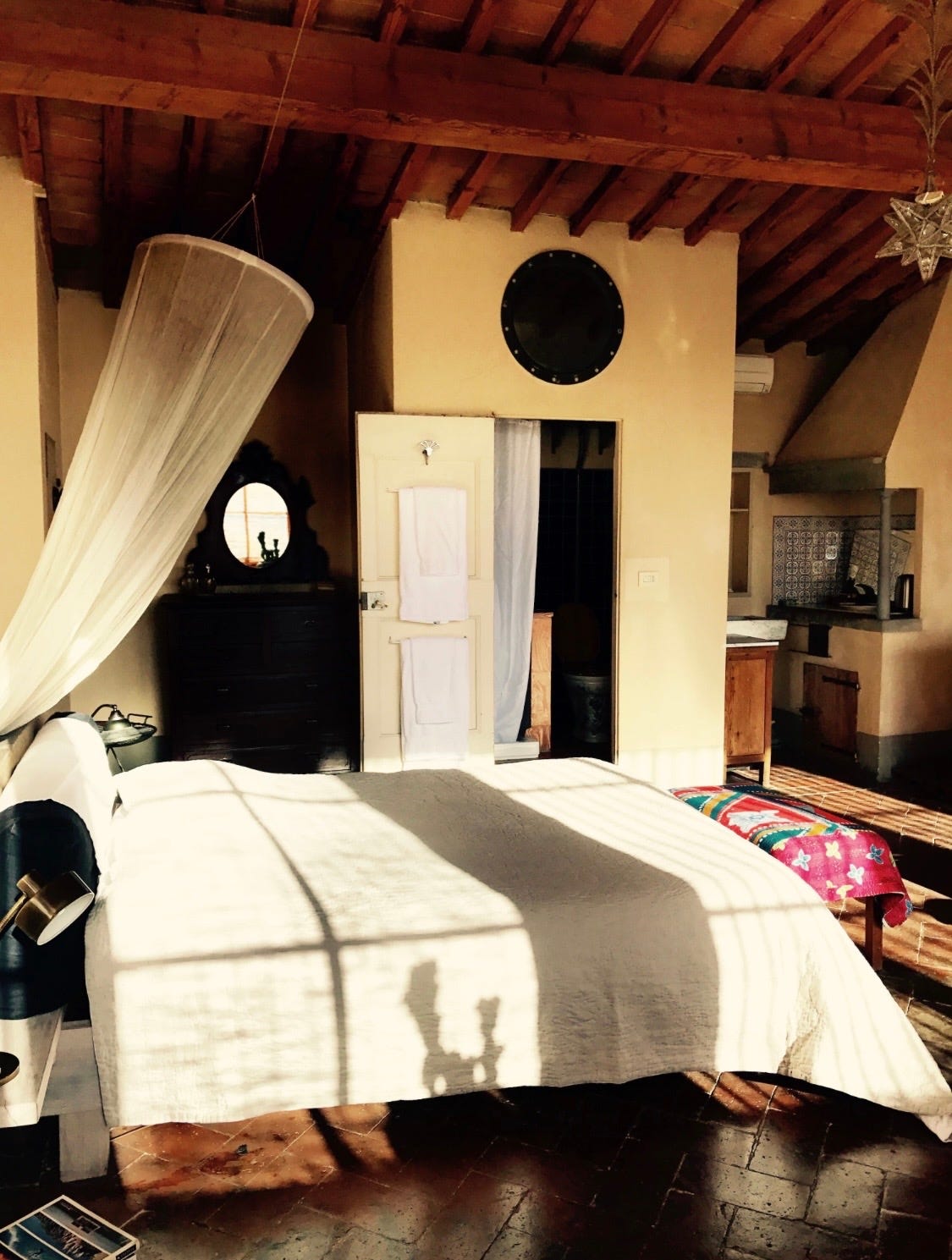
Little Gems are intimate boutique hotels and charming bed & breakfasts, each with its own story and personality. Some are more refined, others deliberately simple, but all feel natural rather than designed.
They are run by independent hosts, who manage everything themselves, from bookings to guest communication, which makes the whole experience feel more personal.
You can check availability and book directly with the host. The only thing you need is a Plinius membership and in return, we open up our little black book for you!
Below, a few of my favourites that capture this feeling particularly well.


This Florentine residence has a slightly bohemian feel — the kind of place you settle into if you’re craving a bit of inspiration. The rooms mix contemporary pieces with vintage finds in a way that feels personal rather than styled. It’s set within a beautiful 16th-century palazzo, just a few steps from the Duomo, yet it somehow manages to feel quietly removed. The kind of address you come across once, and then keep to yourself.
Price Indication: starting from €160 per night (depending on room size and season)


Located in a 1920s Liberty-style building perched on the hill just behind Corso Vittorio Emanuele, in Napoli. The apartment looks out over sweeping views of the sea and Capri. Inside, it balances vintage charm with a more contemporary touch — high ceilings, generous rooms, and original details in the windows and flooring. The overall feel is warm and inviting, with a timeless sensibility that’s quietly complemented by modern comforts.
Price Indication: starting from €150 per night (depending on season)


Perched high above the sea on a wild, windswept promontory, is one of those rare places that seems to hold the soul of an island. Six ancient dammusi – Pantelleria’s traditional lava-stone homes – sit immersed in the Mediterranean scrub of the Pantelleria National Park, overlooking the Punta Spadillo lighthouse. From here, sunrise paints the horizon gold and the moon casts silver trails across the bay below.
Price Indication: starting from € 120 per night depending on Dammusi type and season


Hidden in the green hills above the Ligurian coast, Villa Madonna feels like a secret you’ve just stumbled upon. Built in the late 19th century and lovingly preserved, the villa still looks almost exactly as it did a hundred years ago. The name comes from the faded fresco of the Madonna above the entrance — a gentle nod to the past that sets the tone for the entire stay.
This is not a polished, modern retreat. It’s a place full of soul and character — the kind of home where every perfectly worn tile tells a story. Here, you can feel the passage of time in the best possible way.
Price starts from €250 per night for 4 guests (depending on season)


Historic tuna fishery that has quietly witnessed the rhythms of Sicilian life for over a century. Built in the early 20th century by brothers Leonardo and Vito Foderà, the tonnara was once one of the most important on Sicily’s western coast, second only to the renowned Egadi fisheries. Today, it is lovingly preserved by the descendants of the Foderà family. However, this is not a hotel, there is no reception, no daily housekeeping, and air conditioning is very limited. The charm lies in authenticity, atmosphere, and history — an experience rooted in place rather than modern convenience.